- Home
- Stroke Clinics
Stroke Clinics
Specialist 2–3 hour technique workshops — one stroke, one session, real change. Max 6 swimmers. Borehamwood.
Choose your
clinic
Each clinic is a standalone session focused on one stroke or skill. Pick the one that needs the most work — or work through them all.
Freestyle
Body position, high-elbow catch, pull mechanics, bilateral breathing and kick efficiency — rebuilt from the water up.
Jump to Freestyle → 02Backstroke
Rotation, rhythm and the high-elbow recovery. Backstroke technique is often neglected — this clinic fixes the habits that are quietly costing you time.
Jump to Backstroke → 03Breaststroke
The hardest stroke to do well — timing, glide and kick coordination. Small fixes here produce some of the biggest time gains of any discipline.
Jump to Breaststroke → 04Butterfly
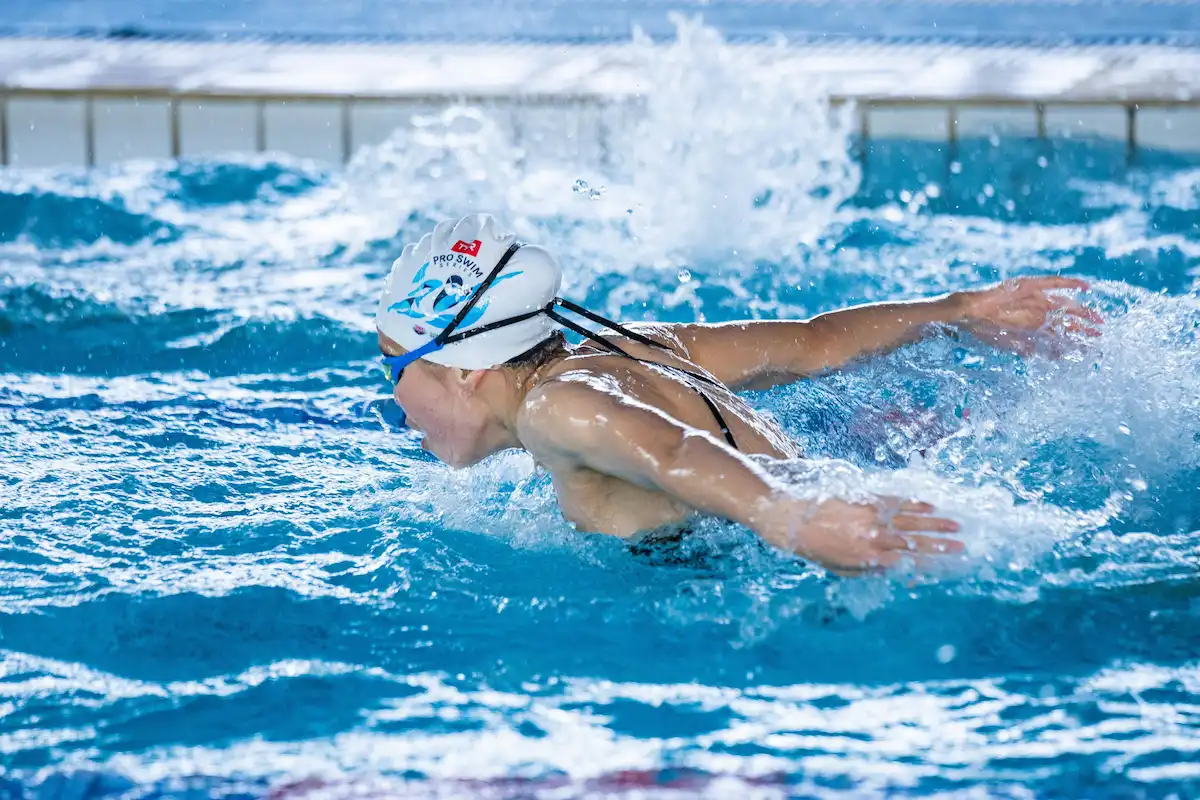
Efficient, sustainable butterfly built on timing and undulation — not brute strength. Learn to make it look easy rather than just survive it.
Jump to Butterfly → 05Individual
Medley
All four strokes in sequence, with transitions that don't lose you the race. IM coaching identifies your weakest discipline and brings it up fast.
Jump to IM → 06Starts, Dives
& Turns
Legal dive starts, tumble turns and underwater breakouts — the parts of a race that can add or lose metres before you've taken a stroke.
Jump to Starts & Turns →One stroke.
One session.
Real change.
Stroke clinics are focused, technical sessions built around one thing: fixing a specific weakness in your swimming. Unlike general coaching programmes that work across everything, each clinic targets a single discipline — so the feedback is precise, the drills are relevant, and the improvement is faster.
Sessions run for 2–3 hours at The Venue LC in Borehamwood. Each clinic is limited to six swimmers — small enough for meaningful poolside feedback on every swimmer throughout the session. Clinics run on Sundays and during school half terms. No weekly commitment required.
Choose a clinic →From £99 per clinic
Freestyle
Clinic
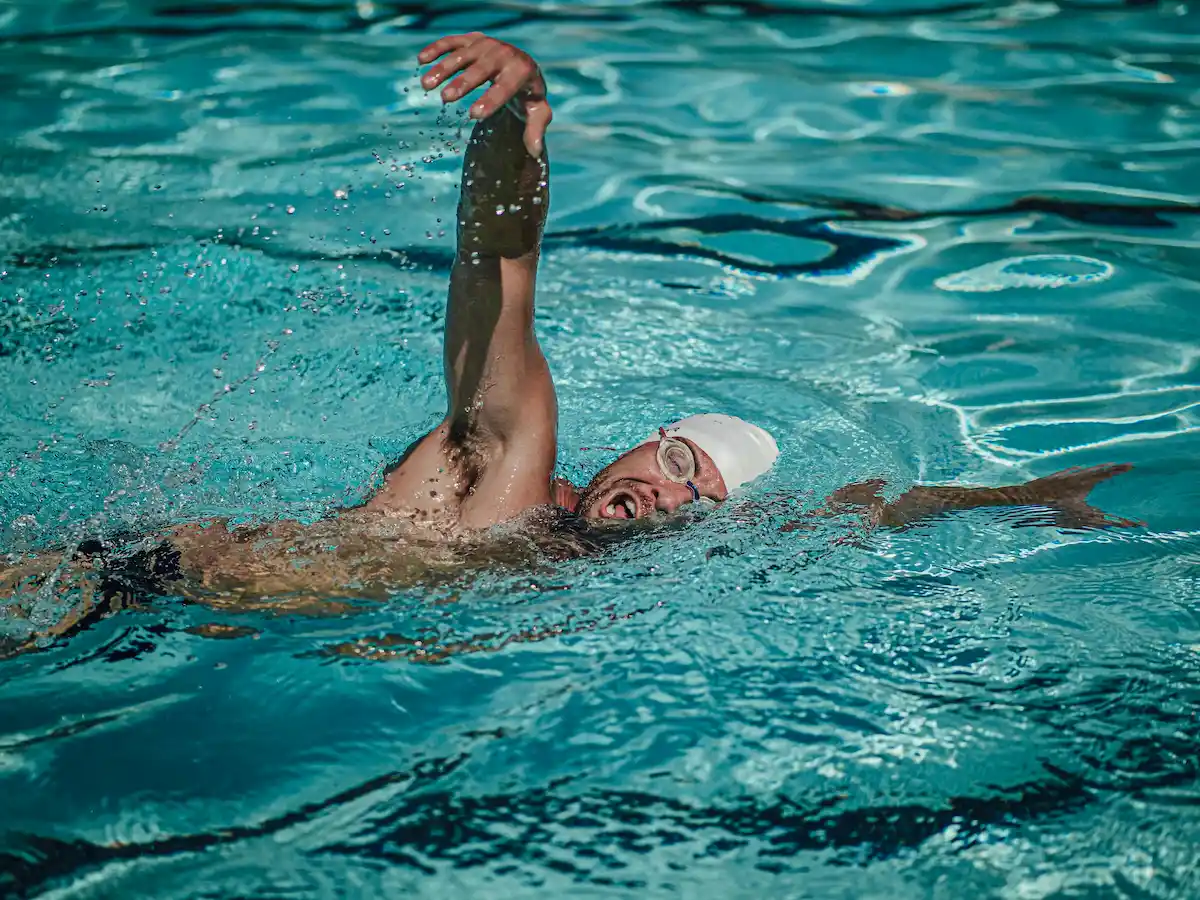
The foundational stroke — and the one with the most ingrained habits. Most swimmers have significant inefficiencies they've never had corrected. This clinic rebuilds the stroke from body position upwards, producing a freestyle that's faster with less effort.
Body position and horizontal alignment
Head position, core tension and why legs sink — correcting the root-cause drag that slows every other element of the stroke.
High-elbow catch and EVF
Early vertical forearm mechanics — setting up the catch that generates real propulsion rather than slipping through the water.
Hip-driven rotation
How rotation powers the stroke. Most swimmers rotate too much or too little — finding the right axis makes the pull effortless.
Bilateral breathing technique
Timing, head position and breathing patterns that don't break stroke rhythm or cause lateral drift.
Kick timing and efficiency
Two-beat versus six-beat kick, when to use each, and how to stop the legs working against the stroke instead of with it.
Backstroke
Clinic
Often neglected because you can't see what you're doing — backstroke faults become deeply embedded over time. This clinic uses poolside coach feedback and video to identify and fix the habits that are quietly costing time every length.
Body rotation and balance
The axis of rotation and how to drive a powerful stroke from the hips rather than the shoulders — the foundation of efficient backstroke.
High-elbow recovery
The arm path above water, eliminating the cross-body fault and building a consistent recovery that sets up the catch.
Catch and underwater pull
The entry angle, the catch depth and the pull path that produces propulsion rather than lifting the body out of the water.
Kick efficiency and timing
Knee depth, ankle flexibility and how kick timing links with the stroke cycle to maintain hull speed between pulls.
Backstroke turns
Reading the flags, the rotation and approach before the flip, foot placement and the underwater breakout that gets you moving fast again.
Breaststroke
Clinic
The most technically demanding of the four strokes. Small timing errors create large amounts of drag — and most breaststroke swimmers are making the same mistakes. This clinic addresses each phase of the stroke cycle with precision drills and direct feedback.
Kick mechanics
Hip-width setup, the outward sweep, catch and squeeze — the most common fault pattern in breaststroke and the one with the biggest gains.
Pull pattern and timing
Outsweep, insweep and the precise moment the kick begins relative to the hands — the timing that separates fast from slow breaststroke.
Head position and breathing
Eyes-forward versus head-down debate settled for your body type — breathing without breaking streamline or adding drag.
Glide and streamline
The recovery and glide phase. Most swimmers give back all the propulsion they've generated here — fixing the streamline position is the fastest free speed in breaststroke.
Legal turns and underwater pullout
Two-hand touch, pivot speed, the underwater pullout sequence and the single dolphin kick rule applied correctly for competition.
Butterfly
Clinic
Most swimmers treat butterfly as a test of strength. It isn't — it's a timing problem. When the body wave and the kick work together properly, butterfly becomes sustainable. This clinic teaches you to work with the stroke, not against it.
Undulation and body wave
Initiating the wave from the chest, not the hips — developing the rhythm that powers the entire stroke and makes butterfly feel fluid.
Double-kick timing
The first kick on entry, the second kick on exit — most swimmers are on the wrong timing, which makes the stroke feel impossibly hard.
High-elbow catch and pull
The catch setup that generates a powerful pull in a stroke that punishes a weak entry angle — early vertical forearm applied to butterfly.
Breathing position
Head forward and low — how to breathe without driving the hips down and losing the undulation that defines efficient butterfly.
Butterfly turns and breakout
Two-hand touch mechanics, tight turn rotation and underwater dolphin kick distance off the wall that sets up the first stroke.
Individual
Medley Clinic
Your IM race is only as fast as your weakest stroke. This clinic identifies that weak point and closes the gap — with particular focus on the transitions and turn mechanics that most swimmers never practise.
Stroke transitions
Fly-to-back (no tumble turn), back-to-breast (the transition most swimmers lose time on), breast-to-free — the moments between strokes that define IM races.
IM turn mechanics
Legal touches, rotation speed and push-off angles for each transition point — built for competition legal compliance and maximum speed.
Identifying your weakest stroke
Structured diagnostic sets to find exactly where time is being lost and why — before building a targeted response to close that gap.
Pacing across all four
How to distribute effort so you finish the freestyle leg fast rather than just surviving the backstroke. IM is a pacing event as much as a technique event.
Race strategy
When to push, when to hold back, and how to build a race plan around your stroke strengths — turning technical improvement into race-day performance.
Starts, Dives
& Turns Clinic
The parts of a race most swimmers never practise in training. A poor start, a wide turn or a shallow breakout can cost several metres before you've taken a single stroke. This clinic builds the skills that pay every race.
Legal dive starts from blocks
Track start versus grab start, reaction timing, entry angle and streamline position — building a consistent, legal start that gives you an immediate advantage.
Tumble turns: freestyle and backstroke
Approach speed, flip mechanics, foot placement on the wall and push-off angle — the components of a turn that maintains momentum rather than killing it.
Open turns: breaststroke and butterfly
Two-hand touch timing, the pivot and how to get off the wall fast without a DQ — legal, fast and consistent.
Underwater dolphin kicks
Kick rate, depth and the breakout point that maximises speed off every wall. Underwater work is often the most undertrained part of a swimmer's race.
Backstroke start
The start from the gutter, flag counting, the crossover timing that gets you legally to the wall and the turn mechanics that preserve your momentum.
For swimmers who want
to fix something specific
Club swimmers
Targeting a specific stroke before competition season. Clinics are built around race-legal technique and fast, measurable change.
Masters swimmers
Breaking habits built up over years of unsupervised training. Technique errors that have become muscle memory need targeted, expert correction.
Triathletes
Improving freestyle efficiency for a faster swim leg. Small technical gains in the water translate directly to better overall race times.
Adult improvers
Building confidence and real efficiency across the strokes. Clinics give you a clear understanding of what to work on and why it matters.
IM swimmers
Your race is only as fast as your weakest stroke. Isolated clinics identify the discipline dragging your IM time and fix it at the source.
Returning swimmers
Back in the pool after time away — stroke clinics reset technique properly before bad habits become permanent again.
Enquire about
stroke clinics
Tell us which stroke you want to work on, your current level and your availability. We'll come back within 24 hours.